
- This event has passed.
Health Disparities Research Working Group | May 21, 2026
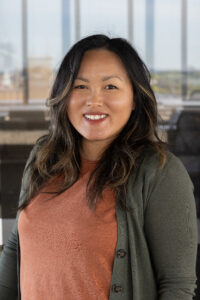
The Health Disparities Research Working Group is pleased to welcome Mai See Thao, PhD on Thursday, May 21!
Hmong, Type 2 Diabetes, and Social Determinants of Health
About the Talk: Hmong in Wisconsin have an alarming prevalence of diabetes compared to non-Hispanic whites. Research examining type 2 diabetes within the Hmong community has primarily focused on Hmong cultural perceptions, knowledge, and traditional practices of treating the disease. This study’s mixed-methods design of surveys, focus groups, and key informant interviews found that the social determinants of health deeply impact Hmong people’s ability to manage type 2 diabetes. These determinants include poverty, types of employment, health care culture and racism, social isolation, and gender.
Dr. Mai See Thao is a medical anthropologist whose research interests are the refugee body, science, medicine, and empire. She is currently writing her book, tentatively titled The Chronic Refugee: Hmong American Afterlives in Empire, which examines older adult Hmong Americans’ post-refugee experiences with chronic type 2 diabetes and how it illuminates the structural vulnerabilities that refugees continue to face as they age in their place of home/resettlement. This book’s intervention is in the afterlives of imperialism, its materialization as health disparities in the refugee body, and the refugee’s critique of life after empire.
These kinds of inquiries have led Dr. Thao to think about the interconnections of violence and care, aging for refugees, and the intervention of public humanities. She is also a community-based participatory researcher (CBPR) who teaches social science theory to community members and has led CBPR projects on the social determinants of health for type 2 diabetes and a traveling exhibit on Hmong historical trauma and healing in Wisconsin.
Before beginning her Assistant Professor position at the University of Wisconsin-Madison, she was the inaugural Director of Hmong Studies at the University of Wisconsin-Oshkosh and launched the university’s very first Hmong Studies Program.

What is the HDRWG?